
To mark Pride Month (1–30 June), Vidett is urging employers, trustees and advisers to take a closer look at how inclusive their pension schemes and retirement support really are, as research reveals significant financial inequalities facing LGBTQ+ people.
Scottish Widows[i] research suggests that almost half (49%) of LGBTQ+ people are on track for less than a minimum retirement lifestyle, compared with 38% of non-LGBTQ+ people. More than half (54%) are not confident managing their retirement savings, compared with 37% of the wider population, while 30% of LGBTQ+ people are not saving for retirement at all.
According to Vidett, these inequalities are often driven by lower financial confidence, discrimination, differing family structures, poorer mental health outcomes and a greater risk of social isolation in later life.
Older LGBTQ+ people can be particularly vulnerable to loneliness, depression and anxiety, while inequalities can be compounded for those who also face barriers linked to gender, ethnicity, disability or socio-economic background.
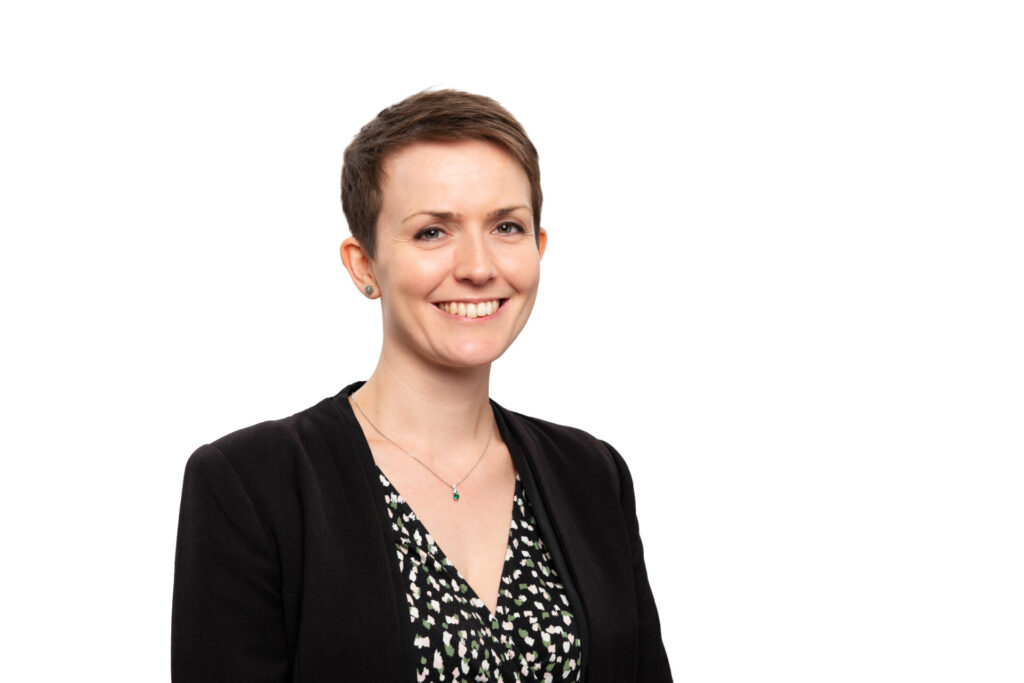
Nicole Johannesen, Associate Director at Vidett, said: “Pride Month is an important reminder that retirement security is not experienced equally by everyone. LGBTQ+ people can face unique challenges throughout their lives that have a lasting impact on their financial wellbeing and retirement outcomes.
“There is no one-size-fits-all approach to retirement, and employers and trustees have an important role to play in ensuring pensions, communications and workplace support reflect the diverse experiences of the people they serve.”
Vidett is encouraging employers and trustees to review whether their pension communications, benefits and policies genuinely support LGBTQ+ people. This includes collecting diversity data to better understand member needs, reviewing policies to reflect different family structures and caring responsibilities, and using inclusive language that avoids assumptions about relationships or circumstances.
The firm also highlights the importance of considering LGBTQ+ experiences when dealing with death benefits and survivor pensions. Same-sex couples are statistically less likely to be married or in a civil partnership than opposite-sex couples, meaning surviving partners can sometimes face additional complexity where benefits depend on trustee discretion.
Historic scheme rules can also create challenges where eligibility for survivor benefits is linked to dates that pre-date the legal recognition of same-sex civil partnerships in December 2005.
Nicole Johannesen added: “Pensions are deeply personal because they intersect with relationships, family and identity. Trustees and employers should approach decisions with empathy, compassion and an open mind, particularly when dealing with bereavement or complex family circumstances.
“Creating a more inclusive pensions experience doesn’t always require major change. It can be as simple as reviewing communications, challenging unconscious bias and ensuring people feel recognised and supported throughout their retirement journey.”