
Assessor accused of attempted “extortion and bullying” after telling businesses fresh bills will be scrapped
– if they withdraw their appeals over previous sky-high valuations
22 October 2025
Scores of small hydro businesses across Scotland have been landed with huge, unexpected and backdated bills totalling millions of pounds after the Scottish Assessors – who set rateable values – reassessed their own methodology mid-way through an ongoing battle over previous bills.
Alba Energy, which represents small hydro-operators in Scotland, has strongly condemned the retrospective hike which affects business rates for small hydro schemes over the last three years as “perverse, punitive and predatory”.
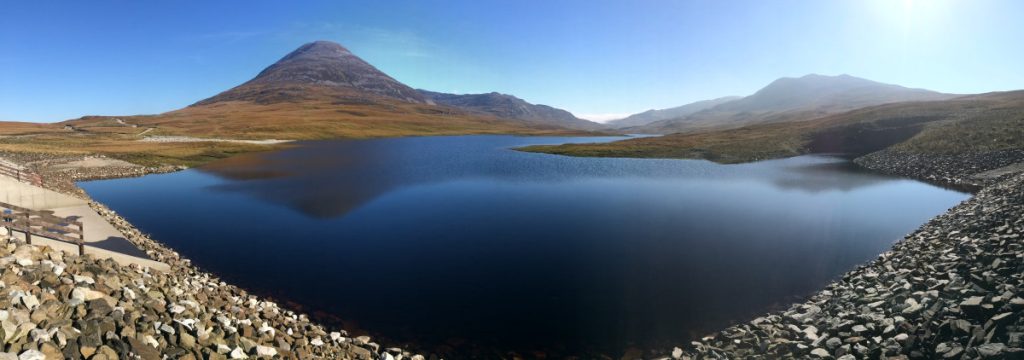
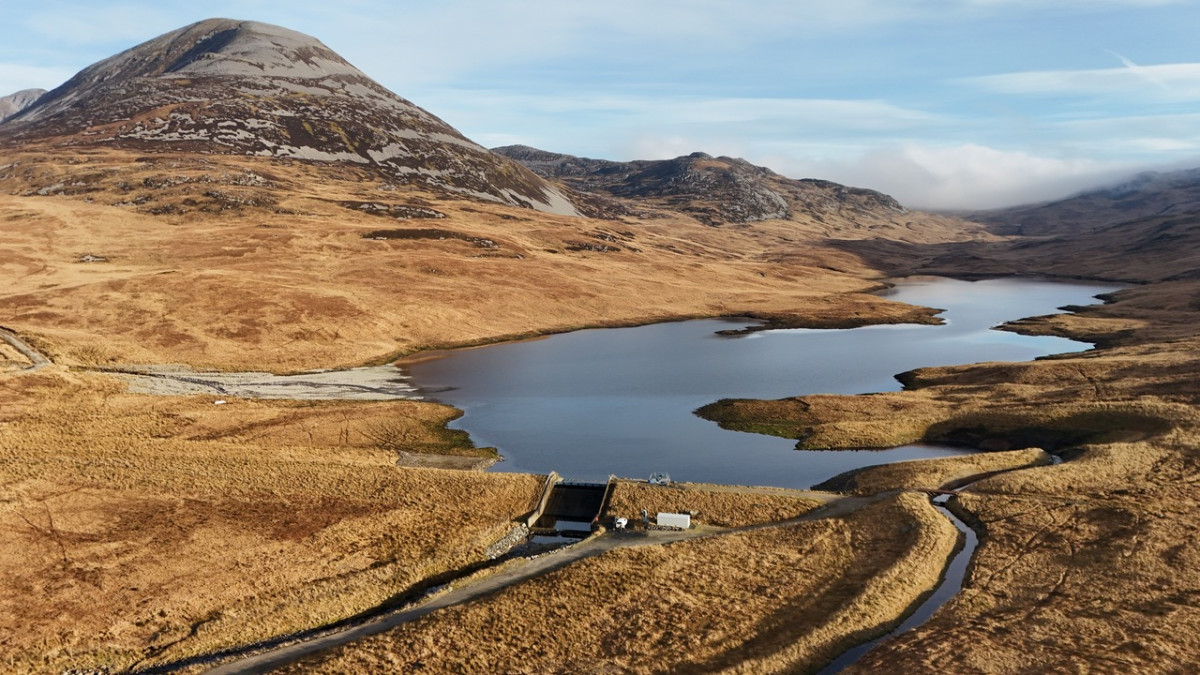
In one case, Inver Hydro on the Isle of Jura, was issued with a new demand last Thursday for over £330,000 with £157,000 of that to be paid – totally unexpectedly – by November 7th.
That is on top of the existing non-domestic rates bills which were already the highest of any property on either Islay or Jura and were being appealed.
The shock bill for Inver Hydro is £269,000 more than the small island business had budgeted for rates between now and the end of the financial year in April next year.
According to correspondence from the Assessor’s office, Inver was told the additional charge would not be pursued if it withdrew its appeal against the 2023 valuation.

Inver Hydro’s owner John Lithgow said: “We’ve played by the rules, paid our bills, and pursued a lawful appeal. To be sent a retrospective top-up bill of over a quarter of a million pounds and told to pay up in a matter of months – and then told it goes away if we drop the appeal – is intolerable. It is nothing short of extortion and is bullying of the worst kind.
“Our small business is a success story within a fragile rural economy. Inver’s generation ensures energy security and has proved vital to keeping the island’s lights on when the local network failed. This kind of goalpost-shifting puts locally owned renewable energy and small Scottish businesses at risk and it is totally unacceptable behaviour by a public office.”
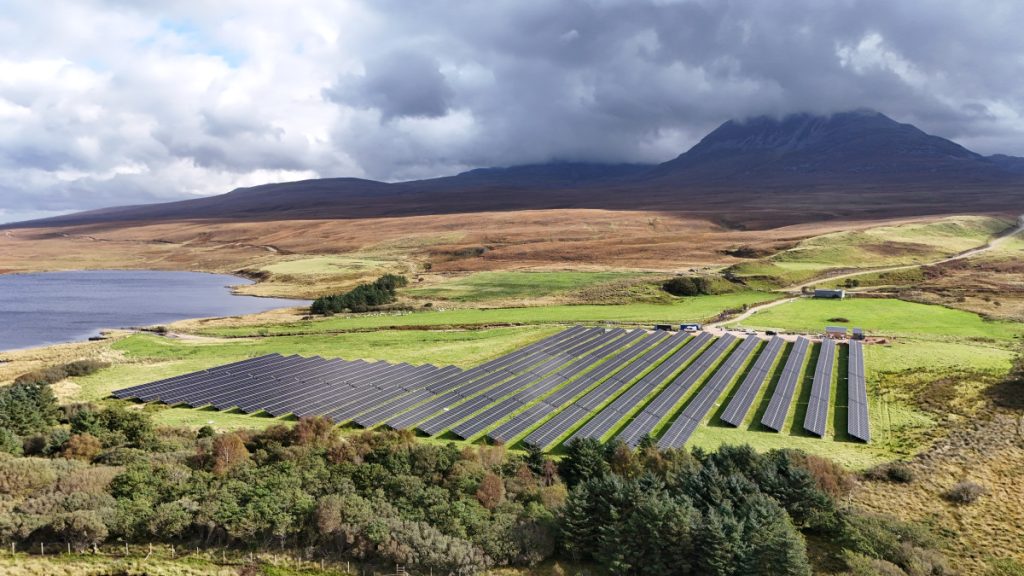
Inver is currently building a solar project to better utilise the existing hydro scheme’s available grid capacity and ensure renewable generation continues in the drier months. The project will be the UK’s first hybrid solar and storage hydro scheme and is due to come online early next month.
Lithgow adds: “We are doing our bit for the island economy and for Net Zero, we continue to invest for the future, but it feels like some would rather see us punished for our efforts.”
He also points out that the new retrospectively enhanced Rateable Value of £676,000 for the 2MW hydro at Inver is perverse when compared with other nearby properties on Islay and Jura.
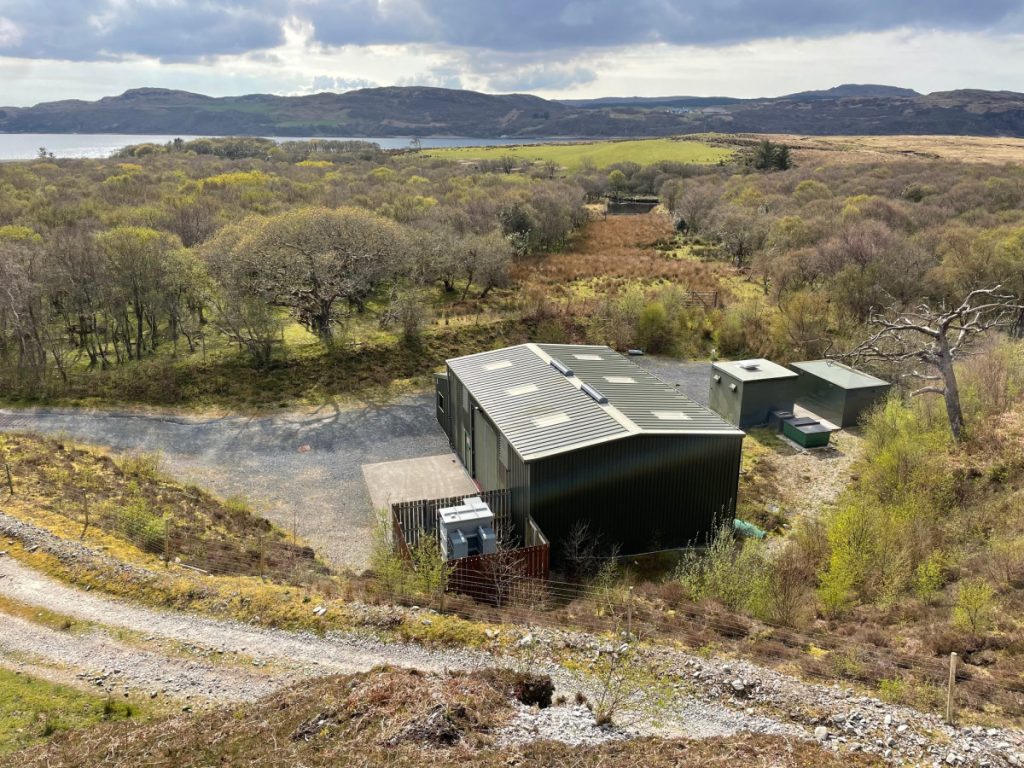
The next highest RV on either island is the Laphroaig Distillery which has a RV of £300,000, meaning that Inver’s hydro scheme – which is housed in a small agricultural shed – (pic attached) is more than double the next highest property.
The 20.5MW Cour windfarm on the mainland adjacent to Jura – with 10 times the capacity of Inver Hydro – has an RV of £597,000 (see link here). That means that Inver has a RV of £338,000 per MW of installed capacity as opposed to Cour windfarm’s £29,122/MW (just short of twelve times the RV/MW).
Alba Energy says the change has been applied selectively to appellants, meaning those exercising their right to challenge 2023 valuations are being hit with even higher bills.

Alexander Linklater, Executive Director of Alba Energy said: “In the middle of litigation, the Assessor has declared a brand-new way to value hydro, then re-issued historic rateable values and extra bills for 2023–2025.
“Applying this only to schemes with appeals is punitive in effect. For years, hydro schemes have been over-valued by the Assessors compared to onshore wind and other energy generators and this latest manoeuvre makes an already unjust position much, much worse.”
Alba Energy says the retrospective bills should not have been issued while legal proceedings are underway and has written to Ivan McKee, Minister for Public Finance, to request a pause on the timing of payment until a resolution has been reached.
In its letter, Alba Energy states: “No warning or justification was provided by the Assessors. The hydro sector has written to the Scottish Assessors Association asking for an explanation for the sudden retrospective increases on already-paid bills but has been told that the SAA would not comment while “litigation is still ongoing”.
“Nor would they share the revised “practice note” by which assessors make their calculations. This was “not yet finalised” at the time the revised rateable values were issued. Alba Energy believes that it is, indeed, not appropriate to reissue NDR notices “while litigation is still ongoing”.

Kate Gilmartin, CEO of the British Hydropower Association, the trade body for the sector across the UK, said: “This isn’t just about rates — it’s about fairness. Hydropower operators are facing opaque decisions and retrospective bills with no accountability. We need transparency, proportionality, and ethical oversight before this becomes another case study in systemic governance failure.”
The sector-wide dispute over the 2017 revaluation reaches the Upper Tribunal in Edinburgh on 10 November 2025, before Lord Young.
Alba Energy will argue that hydro has been subjected to anomalous and disproportionate rateable valuations for more than a decade, far in excess of other renewable technologies of similar or greater capacity.
Hydro-electric power is the only indigenous form of Scottish renewable energy. More than 85% of the UK’s hydropower is located in Scotland. Most small hydro is designed in Scotland, developed in Scotland, engineered in Scotland and built in Scotland.
Linklater adds: “Unlike wind power small hydro it is mostly owned and operated by Scots. We are not leased out to foreign companies. Yet the message from Scottish Assessors is: ‘if you want to build green businesses in Scotland, we will punish you for the impertinence’.