
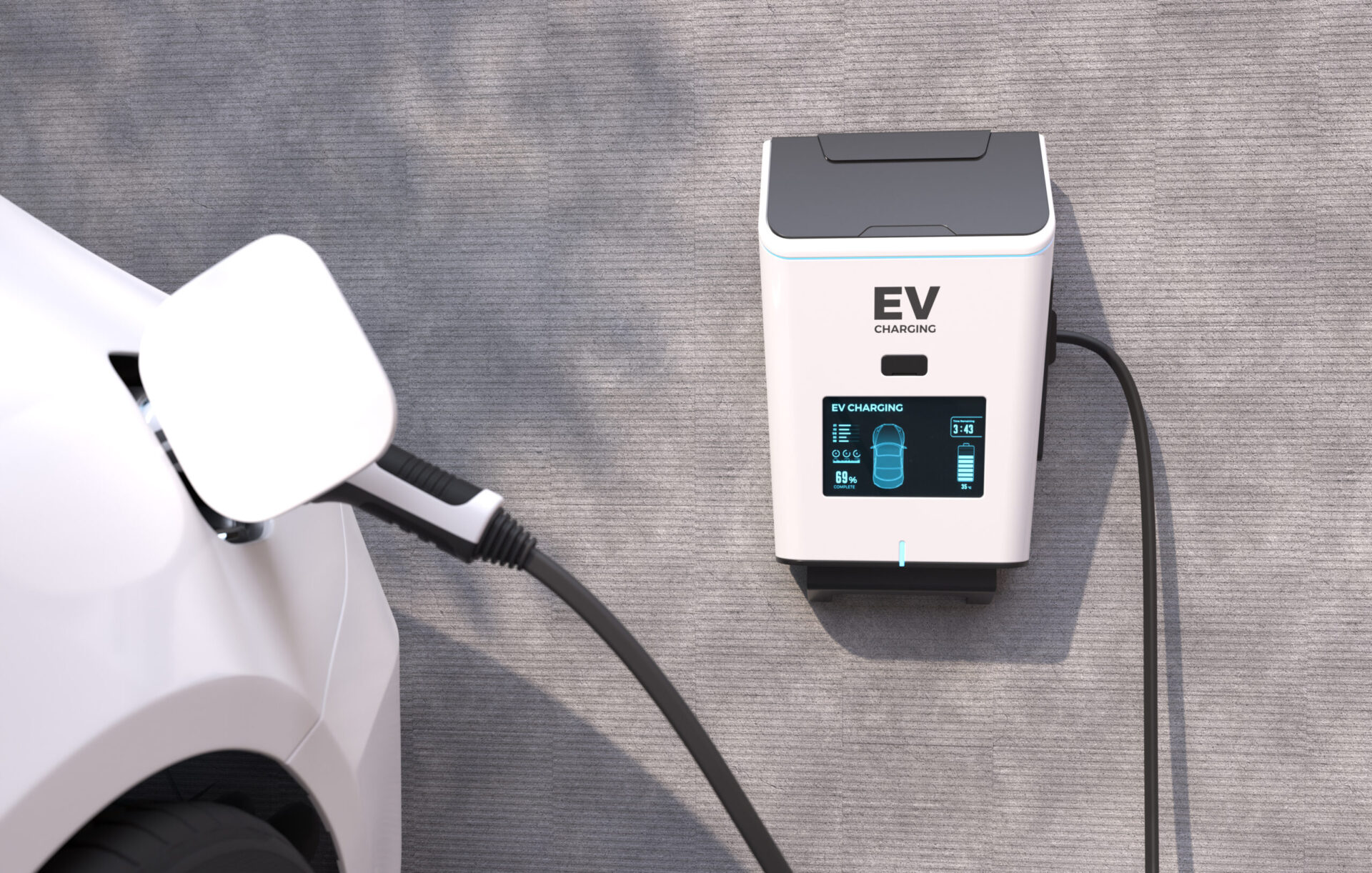
A pioneering underground drilling robot could help transform the UK’s electric vehicle (EV) charging infrastructure by unlocking access to millions of homes.
Synthotech’s new drill is a compact, high-speed gyratory tool capable of boring narrow, guided pathways under pavements and driveways without the need for disruptive and costly excavations.
The original concept for the system came from the University of Surrey, which had designed a zero-gravity drill system for use on the Moon and Mars with support from the European Space Agency. A partnership between BT and Synthotech has seen the system already connecting properties to high-speed fibre internet. It could also help utility companies connect underserved UK households to EV charging points more efficiently and at a lower cost.
According to research by Lloyds Bank, 56% of UK homes, approximately 16 million, are suitable for EV charger installation due to the availability of off-street parking and supporting electrical infrastructure. If infrastructure challenges are addressed, experts project that 8 to 10 million UK homes could be fitted with EV chargers by 2035, up from about 350,000 in 2025.
With the UK government mandating EV chargers in all new-build homes and targeting 300,000 public charge points by 2030, home charging remains the cornerstone of the UK’s EV transition. Yet widespread adoption has been hindered by the cost and logistics of retrofit installations.
If deployed at scale, Synthotech’s technology could help connect a significant portion of the remaining 13 million homes deemed unsuitable.
One key barrier is the need for extensive civil engineering work to connect properties lacking direct access to the road. Traditional trenching methods are expensive, time-consuming, and disruptive to pavements, gardens, and roads. Synthotech’s microBORE changes that equation.
Simon Langdale, engineering director at Synthotech, said: “The new drilling technology will significantly reduce the cost and accelerate the execution of key civil engineering tasks, speeding up the delivery of connectivity to homes and driving down installation prices. This improvement could accelerate the entire programme significantly, making the robotics solution attractive to infrastructure providers across the UK and internationally.”
The microBORE’s ability to create small, precise channels beneath pavements with minimal surface disruption could be critical in enabling these retrofits.
“This is a very exciting application of advanced robot technology that will completely transform the way underground infrastructure is managed and delivered,” Langdale added. “By rethinking how we connect homes to modern utility networks, Synthotech’s futuristic drill could become a ground-breaking solution for the EV revolution, helping millions more drivers plug in from the comfort of their homes.”
Deployed initially to lay fibre-optic cables as part of BT’s £15 billion Fibre-to-the-Premise (FTTP) rollout, and supported by the Surrey Lane Rental Scheme, the microBORE’s use case is expanding. Its deployment has already demonstrated faster installation times, reduced carbon emissions, fewer traffic disruptions, and a lower environmental footprint, benefits that extend directly to EV charging infrastructure projects.
Image: Freepik