
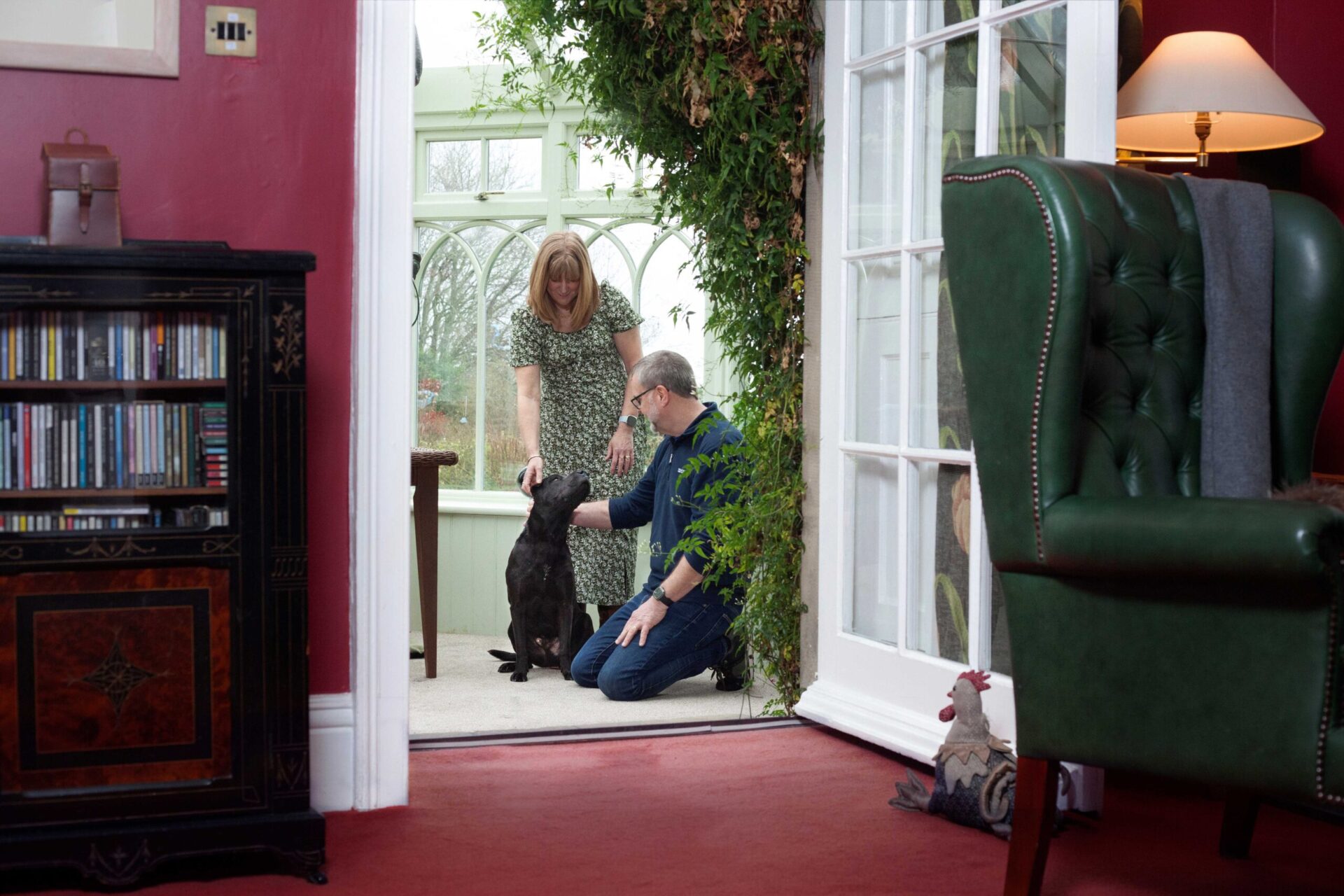
With dog ownership at an all-time high and travel on the rise[i], more pet owners are turning to professional homesitters to ensure their pets receive the best care while they’re on holiday, according to Homesitters Ltd.
New research from Dogs Trust estimates the UK dog population at around 13 million – four million higher than previous estimates[ii]. Additionally, the UK is home to around 11 million owned cats, with 26% of households having a feline companion[iii]. Wanting to keep their pets in their familiar home environment, more owners are choosing homesitters over kennels and catteries to ensure their pets feel safe, comfortable, and less anxious when they are away.
Ben Irvine, Director of Operations at Homesitters Ltd, says that homesitters provide more than just companionship though; they can play a vital role in preventing common pet emergencies. Veterinary charity PDSA[iv] highlights the top emergency cases they see in their hospitals are from road traffic accidents, swallowing foreign objects, tummy upsets and fractures. These can often be avoided with careful supervision.
Ben Irvine explains: “Pets are happiest and feel safest in their own homes, so it’s no surprise more owners are choosing homesitters over boarding options or having pets go stay with friends or family. It keeps their pets relaxed and reduces the stress of being in a strange place. Our experienced homesitters provide not just care, but peace of mind – making sure pets stay safe while their owners are away.”
How Homesitters Keep Pets Safe
With pet safety a top priority, professional homesitters follow key precautions to ensure pets are well cared for:
- Maintaining a secure environment – Checking fences, securing gates, and keeping harmful foods and small objects out of reach.
- Supervising outdoor time – Keeping dogs on a lead near roads, avoiding off-lead walks in unfamiliar areas, and only letting cats outside if advised.
- Monitoring health and behaviour – Watching for signs of illness, changes in appetite, or unusual behaviour, and contacting a vet if needed.
- Following owner instructions – Homesitters carefully adhere to feeding, grooming, walking, and any other care routines to minimise stress.
- Preventing temperature-related issues – Ensuring pets stay cool in summer and warm in winter.
- Being prepared for emergencies – Keeping vet contact details and the owner’s instructions readily available.
- Having 24/7 back up, 365 days a year – Homesitters provides 24/7 emergency back-up for homesitters on assignment – not an automated hotline, but a dedicated person on the end of the phone – able to assist with anything that may arise.
To find out more about booking a homesitter, visit: www.homesitters.co.uk