

-
21% reduction in energy consumption while maintaining critical infrastructure
-
LED upgrades and high-efficiency chiller replacement drive sustained savings in live clinical environment
Energy efficiency initiatives at the Queen’s Centre for Oncology & Haematology (QCOH) in Hull have delivered a 21% reduction in electrical consumption.
GFM, a North Yorkshire-based facilities management provider, is responsible for the delivery of hard FM services at the 19,000m², three-storey site
As well as maintaining critical infrastructure, the partnership has focused on improving the facility’s environmental performance.

Through a combination of energy management initiatives and ongoing monitoring, Hull Oncology has achieved a 21% reduction in overall energy consumption between 2018 and 2026.
Energy reductions have been achieved through four key initiatives:
-
LED relamping programme: 12% reduction
-
Upgraded BMS controls: 5% reduction
-
Chiller replacement: 2% reduction
-
LINAC upgrades: 2% reduction
Together, these measures have driven sustained decreases in consumption, with energy use continuing to fall year-on-year.
The phased replacement of legacy lighting with LED fittings – now covering approximately 80% of the site – has delivered the most significant impact.

The programme has reduced residual electricity demand by around 24%, equating to a 12% overall reduction in site energy use.
A major recent project saw the replacement of an ageing York chiller with a high-efficiency Carrier unit in April 2025.
Cooling systems are essential to both patient comfort and the safe operation of clinical services. The upgrade has reduced chiller energy demand by approximately 20% and delivered an overall site consumption reduction of 2%.
The works were completed without disruption to hospital operations, reflecting careful coordination within a fully operational healthcare environment.
The improvements delivered significant financial benefits, including energy savings of approximately £200,000 per year.
The oncology hospital serves five in-patient wards and houses highly sensitive clinical services, including the manufacture of chemotherapy treatments. As a result, maintaining building infrastructure without disrupting patient care is central to the FM strategy on site.
GFM delivers a comprehensive range of services including planned preventative maintenance, building fabric maintenance, portable appliance testing, landscaping, painting and decorating, and energy and environmental consultancy. The company also operates help desk services and manages specialist subcontractors responsible for lifts, refrigeration equipment and medical gases. An eight-person directly employed team oversees day-to-day operations across the site.
Working within a fully operational hospital presents complex logistical challenges, particularly when maintaining critical building systems. Even short shutdowns can have a significant impact on clinical operations, particularly where services such as chemotherapy production are involved.
To minimise disruption, the FM team works closely with the hospital Trust to schedule maintenance works at the least disruptive times.

Ian Sayers, Acting Managing Director at GFM, said: “Operating within a live healthcare environment means that reliability and planning are absolutely critical. Our team works closely with the Trust to carefully coordinate any shutdowns so that essential clinical services can continue without interruption.
“Energy efficiency is a major priority for healthcare estates. By closely analysing consumption patterns and implementing targeted improvements, we’ve been able to deliver substantial reductions in both energy use and costs for the Trust.
“Facilities management plays a vital role in supporting frontline healthcare. Our goal is to ensure the building infrastructure works seamlessly so clinicians can focus on delivering the best possible care for patients.”
A key factor in maintaining operational reliability has been a strong focus on lifecycle management and preventative maintenance. By prioritising lifecycle delivery, the FM team has been able to reduce the risk of system breakdowns and equipment failures across the facility.
Health and safety performance has also been a major focus throughout the project. A dedicated project manager oversees H&S during delivery, contributing to a record of zero health and safety incidents on the project to date.
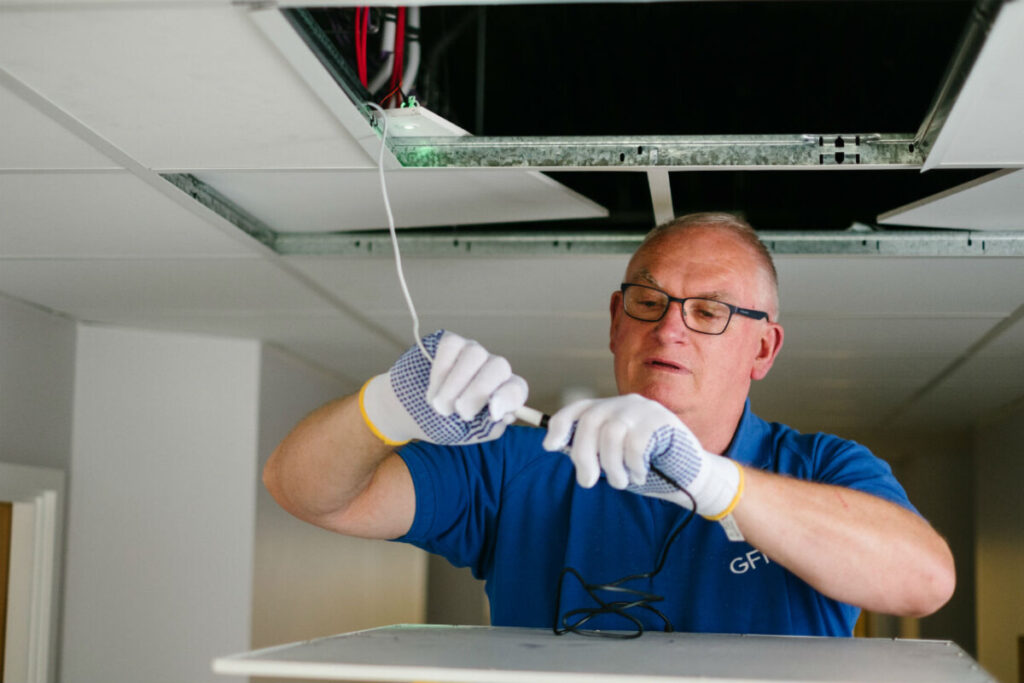
The team has also identified opportunities to improve efficiency by bringing certain tasks in-house. For example, self-delivery of smaller passive fire protection works has helped reduce costs and speed up response times.
Ian added: ‘Through close collaboration with the Trust and a focus on preventative maintenance and energy performance, the long-term partnership continues to support critical healthcare services while delivering measurable operational benefits.
“GFM was established with a human-centric purpose, born from understanding the critical FM needs of frontline services like health trusts.
“Our experience in high-stakes settings like Hull Oncology, where operational failure is simply not an option, is our greatest differentiator and we are extremely proud of the work that we do.”