
A LEADING North Wales care provider is marking 25 years of delivering essential health and social care services while warning that a worsening workforce crisis now poses a serious threat to the future of domiciliary care – and wider health services – in rural communities.
Meddyg Care Group says that despite continued investment and expansion across the region, its ability to meet growing health needs is being undermined by severe staffing shortages following the scrapping of the Health and Care Worker Visa. The decision removed a vital route for recruiting trained care professionals into domiciliary services and nursing homes, particularly in areas already facing workforce fragility.
Over the past 25 years, the organisation has become a major pillar of the regional health and care system, operating specialist nursing and dementia homes in Rhyl, Criccieth and Porthmadog, alongside elderly day care and a large domiciliary care service supporting people to remain safely in their own homes across Gwynedd and beyond.
Meddyg Care now employs more than 330 staff, provides 170 nursing and dementia beds, and delivers over 6,000 hours of domiciliary care each month through its Help at Home service, which recently achieved an ‘Excellent’ inspection rating from Care Inspectorate Wales.
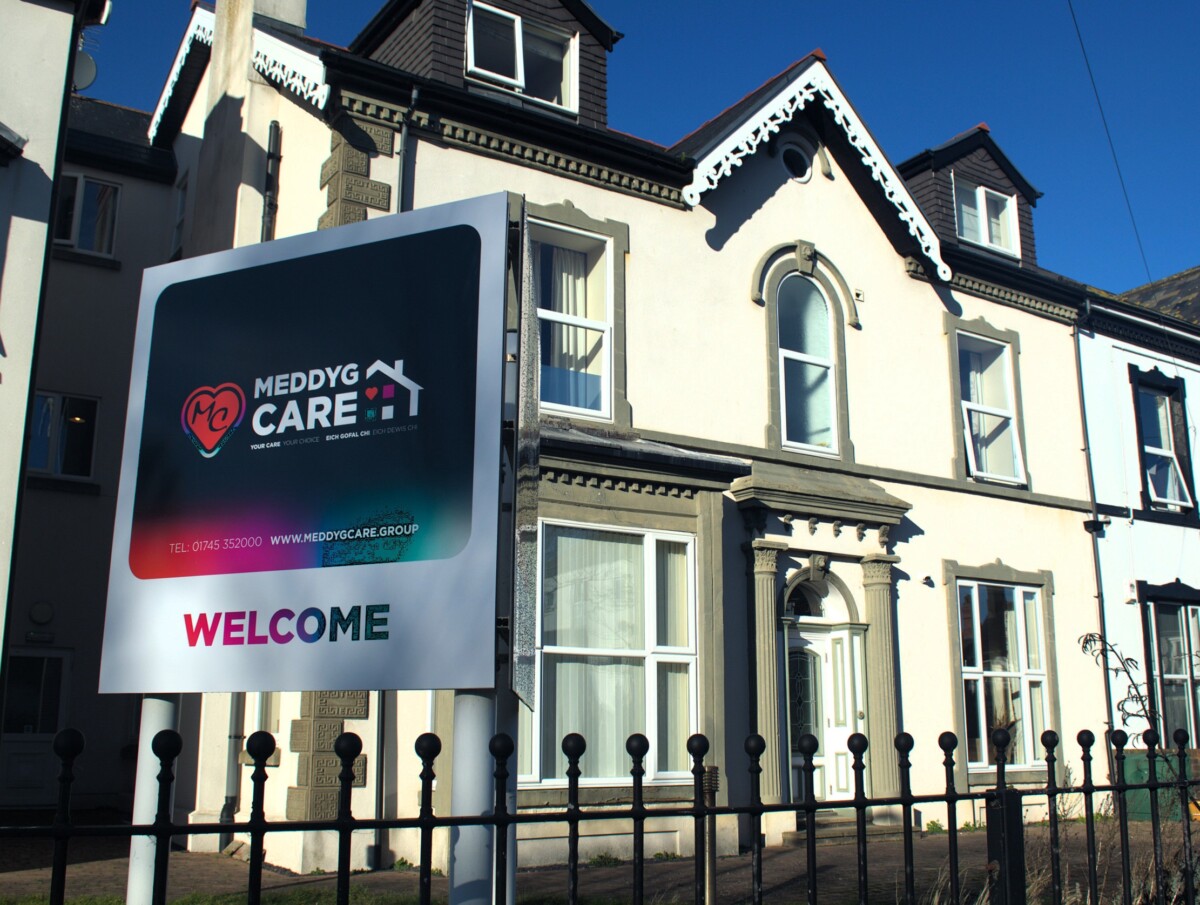
In the autumn, the group opened a new 35-bed nursing home in Rhyl (pictured) in response to high referral demand, easing pressure on hospitals and creating local employment. Recruitment at the site has been strong, highlighting the relative resilience of more urban care settings.
However, Meddyg Care warns that the situation in rural Gwynedd is approaching breaking point, with domiciliary care services close to collapse because of chronic staffing shortages.
“This is not a future problem, it’s happening now,” said Managing Director Kevin Edwards, from Colwyn Bay.
“We are expanding and investing, but the loss of the Health and Care Worker Visa means providers cannot recruit the staff they need.
“If domiciliary care disappears in Gwynedd, the knock-on effect will be huge for hospitals, for families, and for some of the most vulnerable people in our communities.”
Across communities including Criccieth, Porthmadog and along the coast from Harlech and Fairbourne to Aberdyfi, demand for care at home continues to rise as the population ages, while the available workforce continues to shrink. Limited working-age residents and changes to immigration policy have combined to create a critical gap in care capacity.
Meddyg Care currently employs more than 140 overseas staff, many from the Philippines, working alongside a largely Welsh and bilingual local workforce. These staff play a crucial role in maintaining safe patient flow from hospital to home and preventing avoidable admissions.
Under current immigration rules, many of these experienced professionals will be required to leave the UK from 2028, with no viable route to replace them.
“The idea that domiciliary care is a ‘low-skilled’ career is simply wrong,” said Director Nicola Rutherford.
“This is complex, demanding work that requires judgement, organisation, emotional intelligence and resilience. Without these staff, people do not leave hospital, families struggle alone and communities suffer. Rural areas like Gwynedd cannot replace this workforce locally because it simply doesn’t exist.”
The health consequences are already being felt. Meddyg Care says it could readily double its domiciliary care provision, but staffing shortages make this impossible – leaving people in hospital longer than medically necessary and increasing pressure on NHS services, particularly in rural areas where alternatives are limited.
Despite the challenges, the organisation – a key member of Care Forum Wales – continues to invest in North Wales’ health and care infrastructure.
A new 55-bed nursing home in Felinheli is due to open in the spring, creating around 70 skilled health and care jobs, while plans are in place for a new headquarters in Abergele in 2026 to support its growing workforce and services.
“We want to keep growing, creating skilled jobs and supporting local communities,” Nicola added.
“But without urgent intervention, domiciliary care – and the people who rely on it – are being put at real risk across North West Wales.”
Reflecting on the organisation’s 25-year contribution to health and wellbeing in the county, Councillor Dilwyn Morgan, Cyngor Gwynedd Cabinet Member for the Adults, Health and Wellbeing Department, said: “Many congratulations to Meddyg Care on reaching this significant milestone.
“Their growth over the past 25 years highlights the vital role that independent care providers play in supporting the wellbeing of vulnerable people here in Gwynedd. It is always encouraging to see local companies committed to delivering high-quality services and creating valuable employment opportunities within our communities.
“We look forward to continuing our close working relationship with Meddyg Care to ensure that people across Gwynedd can receive the care they need, close to home.”